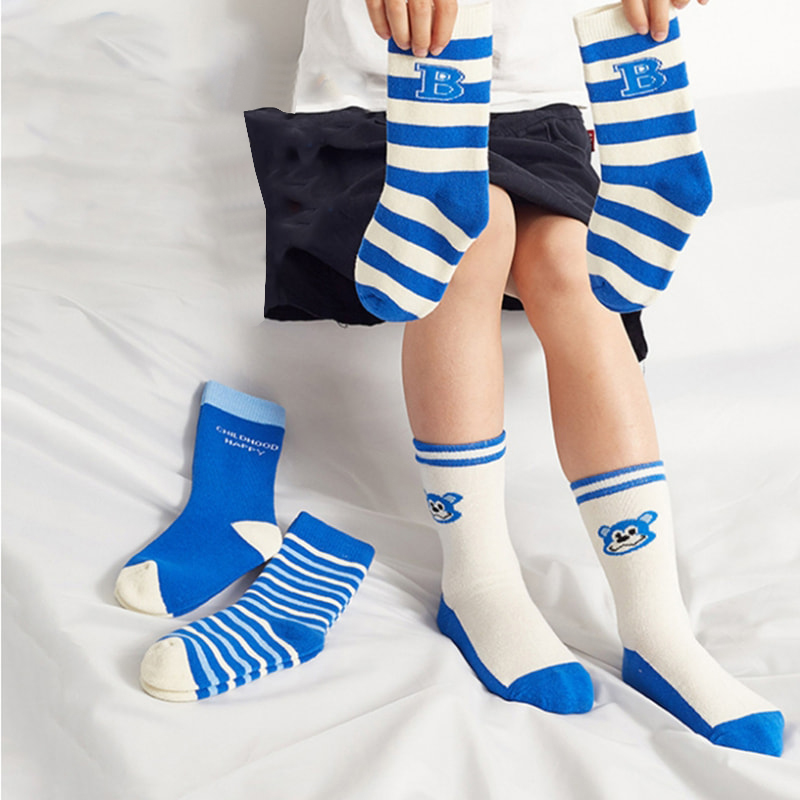
جورابهای کودکان را میتوان برای حساسیتهای حسی در درجه اول از طریق چهار تغییر طراحی، برداشتن یا صاف کردن درز انگشتان پا، استفاده از ترکیب الیاف نرمتر و صافتر، کاهش سفتی کاف در حین حفظ تناسب، و به حداقل رساندن برچسبهای داخلی یا برچسبهای چاپ شده که میتواند پوست حساس را تحریک کند، سازگار کرد. این تنظیمات، محرکهای حسی خاص را هدف قرار میدهند که معمولاً توسط کودکانی که حساسیت لمسی را تجربه میکنند، گزارش میشوند، زیرا حتی جزئیات کوچک مانند یک درز برجسته یا فیبر خراشیده میتواند باعث ناراحتی قابلتوجهی برای کودک حساس حسی شود. گزینه هایی مانند جوراب بچه گانه طراحی شده با ساختار بدون درز و ترکیبات الیاف نرم به جای تکیه بر طرح های استاندارد جوراب که با نیازهای حسی ساخته نشده اند، مستقیماً این نگرانی ها را برطرف می کند.
بخشهای زیر هر انطباق را به تفصیل توضیح میدهد، چرا از دیدگاه پردازش حسی اهمیت دارد و راهنماییهای عملی برای شناسایی ویژگیهایی که باید برای یک کودک خاص در اولویت قرار گیرند.
ساخت و ساز بدون درز انگشت پا
درز انگشت پا یکی از رایج ترین منابع ناراحتی برای کودکانی است که حساسیت لمسی دارند، و این موضوع را به یک منطقه اولویت برای سازگاری با جوراب تبدیل می کند.
چرا درز انگشت پا باعث ناراحتی می شود؟
تولید جوراب استاندارد معمولاً انگشت پا را با یک درز دوخته شده میبندد که یک برآمدگی کوچک در جلوی انگشتان پا ایجاد میکند. برای کودکانی که حساسیت لامسهای بالا دارند، این برجستگی میتواند به طور نامتناسبی تحریککننده باشد، که گاهی اوقات توسط کاردرمانگران و والدین به عنوان یک نقطه فشار مداوم توصیف میشود که یک کودک معمولی حتی متوجه آن نمیشود.
فناوری بافندگی بدون درز
ساخت جوراب بدون درز از تکنیکهای تخصصی بافندگی دایرهای استفاده میکند که به جای یک درز دوخته شده جداگانه، پنجه را از طریق ساختار بافتنی میبندد، و در نتیجه یک پنجه صاف و صاف بسته میشود. این رویکرد تولید به طور فزایندهای در خطوط لباسهای دوستدار حسی رایج است، بهویژه زیرا رایجترین نقطه ماشه فیزیکی گزارش شده در جورابها را حذف میکند.
انتخاب فیبر برای راحتی لمسی
فراتر از قرار دادن درز، بافت پارچه واقعی نقش مهمی در احساس راحتی یک جوراب در برابر پوست حساس در طول روز دارد.
| نوع فیبر | ملاحظات حسی |
| پنبه شانه شده | سطح صاف تر از پنبه استاندارد، الیاف شل کمتر |
| مخلوط بامبو | به طور طبیعی بافت نرم، اغلب به خوبی تحمل می شود |
| ترکیبات مصنوعی استاندارد | بسته به سفتی بافت می تواند احساس خراشیدگی داشته باشد |
| مدال یا میکرو مودال | احساس بسیار صاف دست، معمولا در پوشاک حسی دوستانه استفاده می شود |
انتخاب بافتنی ریزتر با نخ های محکم تابیده شده، عموماً سطح داخلی صاف تری ایجاد می کند، زیرا الیافی که تابیده شده اند به احتمال زیاد بافت کمی خشن را ایجاد می کنند که کودکان حساس اغلب به آن واکنش نشان می دهند.
طراحی کاف و حساسیت فشار
کاف الاستیک بالای جوراب قسمت دیگری است که طرح های استاندارد می تواند برای کودکان حساس به حسی ناراحتی ایجاد کند.
تعادل گرفتن و راحتی
کاف خیلی سفت می تواند یک احساس فشار ثابت در اطراف مچ پا ایجاد کند که برای برخی از کودکان در طول روز آزاردهنده است، در حالی که کاف خیلی شل باعث می شود جوراب به پایین سر بخورد که می تواند به همان اندازه خسته کننده باشد زیرا باعث حرکت مکرر پارچه بر روی پوست می شود. یافتن این تعادل نیاز به نخ های الاستیک نرم تری دارد که فشار ملایم و یکنواخت را به جای یک نوار محکم ایجاد کنند.
جایگزین های نوار پهن باند
برخی از طرحهای جورابهای حسی دوستدار از یک نوار آجدار پهنتر با کشش کلی کمتر که در سطح بیشتری توزیع میشود، به جای نوار کشسان با تنش بالا استفاده میکنند، که میتواند احساس فشار متمرکز را که برخی از کودکان در مچ پا احساس ناراحتی میکنند، کاهش دهد.
کاهش برچسب ها و عناصر چاپی
جزئیات کوچک مانند برچسبها، لوگوهای چاپ شده و عناصر تزئینی نیز میتوانند منبعی برای تحریک کودکان با حساسیتهای حسی باشند.
- برچسب های بافته شده یا انتقال گرما معمولاً بهتر از دوخته شدن در برچسب های پارچه ای تحمل می شوند
- طرح های چاپ شده با صفحه نمایش برجسته می توانند تنوع بافتی ایجاد کنند که برخی از کودکان متوجه آن می شوند و دوست ندارند
- الگوهای بافتنی تخت که در خود پارچه ادغام شده اند نسبت به عناصر تزئینی کاربردی کمتر به چشم می آیند
- حداقل دوخت داخلی در بدنه جوراب، تعداد تغییرات بالقوه بافت در برابر پوست را کاهش می دهد
نکات کاربردی برای انتخاب جوراب حسی
فراتر از ویژگی های تولید، چند استراتژی عملی می تواند به والدین و مراقبان کمک کند تا انتخاب مناسب جوراب را برای حساسیت های خاص کودک شناسایی کنند.
- قبل از خرید، جوراب را به سمت بیرون بچرخانید تا محل درز و بافت داخلی آن را بررسی کنید
- سبک های جدید جوراب را به تدریج معرفی کنید، قبل از اینکه انتظار تحمل کل روز را داشته باشید، دوره های کوتاه پوشیدن را مجاز کنید
- جوراب های جدید را قبل از اولین پوشیدن بشویید تا الیاف نرم شوند و بقایای تولیدی که می توانند به سفتی اولیه بیافزایند حذف شوند.
- پس از یافتن یک تناسب خوب، یک سبک جوراب ثابت داشته باشید، زیرا تغییرات ناگهانی در بافت می تواند بیشتر از حفظ آشنایی مخل باشد.
راهنمای کاردرمانی معمولاً اشاره میکند که سازگاری در بافت لباس میتواند به طور معناداری استرس حسی روزانه را برای کودکانی که با ورودی لمسی مشکل دارند کاهش دهد، و استانداردسازی سبک جورابی که پس از شناسایی به خوبی کار میکند، ارزشمند است.
چرا این سازگاری ها فراتر از راحتی اهمیت دارند؟
برای کودکانی که حساسیت های حسی دارند، ناراحتی در لباس صرفاً یک آزار جزئی نیست، می تواند به طور معناداری بر عملکرد روزانه، تنظیم خلق و خو و تمایل به لباس پوشیدن مستقل تأثیر بگذارد. کاهش نقاط اصطکاک مانند درزها، الیاف خش دار و ناهماهنگی فشار از طریق طراحی مدبرانه جوراب بچه گانه میتواند از برنامههای روزانه نرمتر حمایت کند و مقاومت برخی از کودکان را نسبت به لباس پوشیدن هر روز صبح کاهش دهد.
خلاصه
تطبیق جورابهای کودکان برای حساسیتهای حسی بر روی چند تغییر کلیدی طراحی، ساخت یکپارچه پنجه پا، انتخاب الیاف نرمتر، فشار متعادل سرآستین، و حداقل برچسبها یا عناصر تزئینی برجسته متمرکز است. این تنظیمات با هم متداولترین محرکهای لمسی گزارششده را هدف قرار میدهند، و به کاهش ناراحتی روزانه کمک میکنند و از یک روال لباسپوشیدن نرمتر و کم استرستر برای کودکانی که حساسیت بیشتری به بافت لباس دارند، حمایت میکنند.


